


Key Points
- Replace or clean your air filter every 30 to 90 days to protect airflow and efficiency.
- Clear a two-foot zone around your outdoor unit before peak summer heat arrives.
- Check for refrigerant leaks and clean evaporator coils at least once a year.
- Inspect and clear the condensate drain line monthly to prevent water damage.
- Schedule a professional AC tune-up each spring before the cooling season begins.
Keeping your Atlanta home comfortable all summer starts with a well-maintained air conditioning system. Regular upkeep prevents costly breakdowns, reduces energy bills, and extends the life of your equipment. From replacing filters and checking refrigerant to scheduling a professional tune-up, these 10 tips cover everything an Atlanta homeowner needs to stay ahead of the heat. For professional support, explore our AC maintenance services in Atlanta to keep your system running at its best.
1. Clean or Replace Your Air Filters
One of the simplest but most vital steps in AC maintenance is cleaning or replacing the filters. A clean filter greatly improves your AC’s efficiency and air quality. Filters come in various types, sizes, and brands. Most need replacing every 30 to 90 days, though some high-end options may last up to six months.
When selecting a filter, pay attention to its MERV (Minimum Efficiency Reporting Value) rating. Higher ratings offer better filtration but can restrict airflow if they’re not compatible with your system. Always confirm the right size and rating for your unit.
Make it a habit to inspect your filters monthly, especially during heavy usage periods. If you’d rather leave it to a professional, our air filter replacement in Atlanta team can handle it for you.
2. Inspect and Optimize Your Thermostat Settings
Inspect your thermostat settings regularly to confirm your AC is operating efficiently. If you have a smart thermostat, use its programmable settings to optimize cooling schedules around your daily routine so the AC isn’t running when the house is empty.
Thermostat placement matters too. Make sure it isn’t near heat sources like lamps or direct sunlight, which can cause false readings and inefficient cooling.
If you’re considering an upgrade, a smart thermostat installation can cut energy costs and give you better control over your home’s comfort schedule. Modern units come with apps that let you monitor and adjust settings remotely.
3. Clear Debris From Around the Outdoor Unit
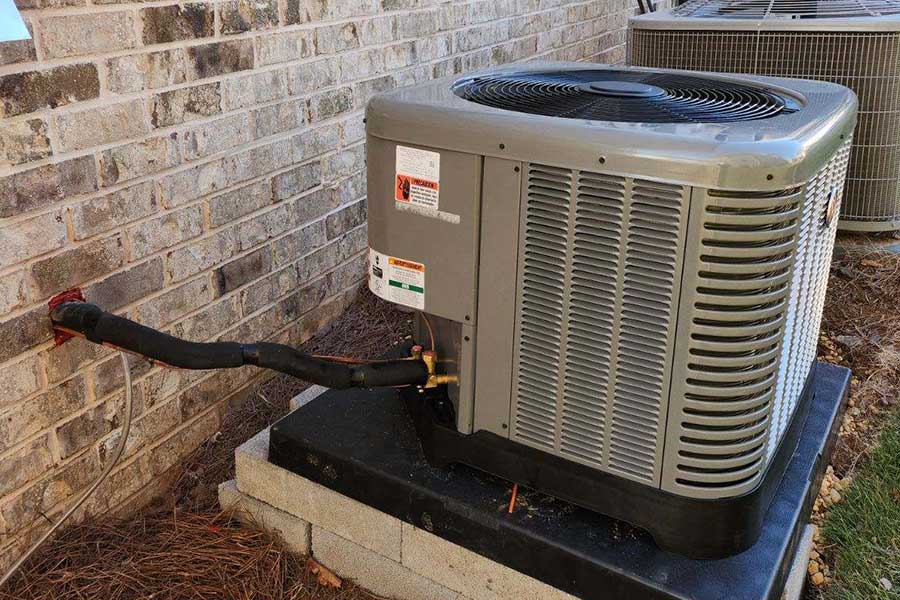
Start by clearing any debris from the outdoor unit. Leaves, grass clippings, and other yard waste can obstruct the unit and reduce its effectiveness. Turn off the power first, then use a garden hose to gently wash away dirt and debris. Avoid bending the fins.
Ensure plants and shrubs are at least two feet away for proper airflow clearance. Regularly inspect the area for signs of pests that might nest inside the unit. Install mesh or wire screens to keep small animals and insects out without restricting airflow.
4. Check Refrigerant Levels and Watch for Leaks
Your AC relies on properly charged refrigerant to cool your home effectively. According to the U.S. Department of Energy, refrigerant issues are among the most common causes of reduced AC efficiency. A pressure check by a licensed technician confirms whether your system is operating at the correct charge level. Incorrect levels force your system to work harder and drive up energy bills.
Watch for signs of a refrigerant leak: hissing sounds from the unit, ice buildup on the evaporator coils, or a sudden drop in cooling performance. If you suspect a leak, call a professional to inspect and repair it right away.
5. Clean the Evaporator Coils
Cleaning the evaporator coils is key to maintaining your AC’s efficiency. Over time, dirt and debris accumulate on the coils, restricting airflow and reducing cooling performance. Clean them regularly using the proper technique.
Gently brush the coil fins to remove surface dirt, being careful not to bend them. Use a fin comb for a deeper clean. If you notice mold or mildew, apply a mild detergent solution to the coils. Rinse with low-pressure water and allow them to dry fully before reassembling any panels.
6. Inspect and Clean the Condensate Drain Line
Examining and cleaning the condensate drain line is vital to prevent water damage. Over time, algae buildup and debris can clog the pipe, causing water to back up into your system and potentially damage your home.
Locate the drain line near your indoor air handler. Remove visible debris from the opening and use a wet/dry vacuum to clear any clogs. For stubborn algae, pour a mixture of vinegar and water down the line. Rinse thoroughly afterward and check the line monthly during the cooling season.
7. Inspect Your Ductwork for Leaks or Damage
Leaky ductwork wastes energy and reduces comfort throughout your home. The Environmental Protection Agency estimates that duct leaks can waste 20 to 30 percent of the conditioned air moving through your system. Here’s how to address it:
- Inspect for Visible Leaks: Check joints, connections, and accessible duct sections for gaps or separated joints.
- Seal Leaks Properly: Use mastic sealant or metal-backed tape for a permanent fix. Avoid standard duct tape, which degrades quickly.
- Consider Professional Duct Sealing: For leaks in hard-to-reach areas, professional sealing ensures a thorough and lasting repair.
- Monitor Airflow Efficiency: After addressing leaks, check whether rooms that previously felt warm are now cooling more evenly.
If your ductwork has significant buildup beyond surface leaks, professional air duct cleaning in Atlanta can restore airflow and improve system performance.
8. Lubricate Moving Parts
Well-lubricated moving parts prevent unnecessary wear and tear and keep your system running smoothly all summer. Focus on the motor, which is the heart of your AC unit. Use the oil or lubricant specified in your unit’s manual.
Bearings also need attention. Over time they can dry out or corrode, increasing friction and wear. A few drops of lubricant keeps them functioning properly. Do the same for fan blades and motor components to improve efficiency and reduce noise.
9. Test Your System Controls Before Summer
Test your AC system’s controls before the season begins to catch any issues early. Check the control panel for error codes or alerts that might indicate the need for sensor calibration or other adjustments.
- Run System Diagnostics: Use the diagnostics feature to identify potential issues before they become costly repairs.
- Check Sensor Calibration: Ensure temperature sensors are accurately calibrated. Miscalibrated sensors cause the AC to overwork or underperform.
- Test Remote Access: Verify that you can control the system through your smartphone if remote access is available.
- Update Software: Install any firmware updates, which often include performance improvements and bug fixes.
10. Schedule Professional AC Maintenance Each Spring
A professional tune-up once a year is the most reliable way to keep your AC ready for peak demand. A qualified technician inspects components you can’t access yourself, including electrical connections, refrigerant pressure, coil condition, and drainage. This prolongs the lifespan of your unit and prevents small issues from becoming major repairs.
Many service providers offer maintenance agreements that include priority scheduling and regular check-ups. These agreements provide peace of mind and often save money over time. Book your appointment in late spring before Atlanta’s summer rush begins and HVAC schedules fill up.
Keep Your Atlanta Home Cool All Summer
Staying ahead of these 10 maintenance tasks means fewer breakdowns, lower energy bills, and a more comfortable home all summer long. Whether you’re handling basic upkeep yourself or it’s time for a full professional tune-up, consistency makes all the difference. Ready to get started? Schedule your appointment today and let the Hope Heating & Air team take care of the rest.
Frequently Asked Questions
How often should I have my AC serviced in Atlanta, GA?
Most HVAC professionals recommend scheduling a professional AC tune-up once a year, ideally in the spring before the cooling season begins. Atlanta’s hot, humid summers put extra demand on cooling systems, making annual maintenance especially important.
What are the signs my AC needs maintenance?
Common signs include reduced airflow, unusual noises like rattling or grinding, higher-than-normal energy bills, inconsistent cooling between rooms, or ice forming on the refrigerant lines. Any of these symptoms are worth a professional inspection.
What temperature should I set my thermostat to for energy efficiency?
Set your thermostat to 78 degrees Fahrenheit when you’re home for a good balance of comfort and efficiency. Raising it a few degrees when the house is empty reduces energy use. A programmable or smart thermostat makes this easier to manage.
How do I properly shade my outdoor AC unit?
You can shade your outdoor AC unit by planting trees nearby, installing awnings, or using shading screens. Just ensure any structure maintains at least two feet of clearance for airflow.
Are there any DIY tips for improving AC airflow?
Replace filters regularly, clean supply and return vents, check ductwork for visible leaks, and make sure furniture isn’t blocking any vents. If certain rooms remain warmer than others, a professional duct inspection may be needed.