



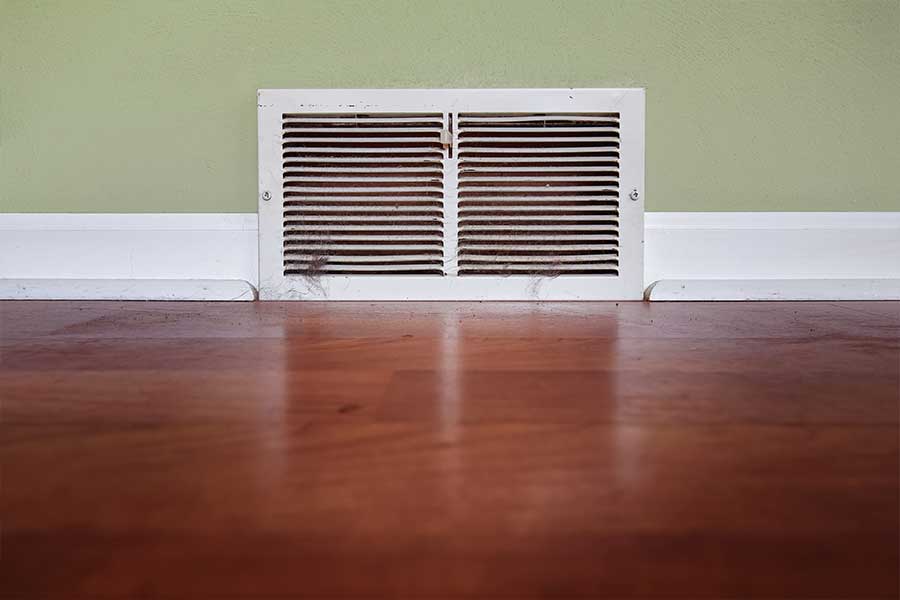
Ductwork typically needs replacement when a home experiences inconsistent room temperatures, rising energy bills, excessive dust buildup, or visible damage like mold growth around vents. Most duct systems last between 15 and 25 years, depending on the material. Atlanta homeowners in older homes, especially those built before the 1990s, should have their ductwork professionally inspected to determine whether repairs or a full replacement is the better investment.
What Are the Signs Your Ductwork Needs Replacement?
Several warning signs indicate that ductwork is no longer performing as it should.
Inconsistent temperatures from room to room are one of the most common red flags. If the living room stays cool while a back bedroom feels ten degrees warmer, the ducts serving that area may have leaks, disconnections, or blockages.
Rising energy bills without a change in usage patterns suggest that conditioned air is escaping through gaps or cracks in the duct system. The HVAC unit compensates by running longer, consuming more energy without delivering better results.
Excessive dust accumulation on furniture and surfaces, even after cleaning, often points to deteriorating ducts that pull in particulates from attics, crawl spaces, or wall cavities.
Strange noises like rattling, whistling, or popping when the system runs can signal loose connections or collapsing duct sections.
Visible mold or mildew around vents or registers requires immediate attention. Moisture inside the duct system creates conditions for mold growth, which compromises indoor air quality. Scheduling professional duct cleaning and inspection is the first step toward identifying the scope of the problem.
How Does Old Ductwork Affect Home Comfort in Atlanta, GA?
Atlanta’s climate puts heavy demands on residential HVAC systems. From the humid summers near the BeltLine to the cooler months in Virginia-Highland and Midtown neighborhoods, ductwork plays a critical role in delivering conditioned air where it is needed.
Aging ducts with gaps or poor insulation allow cooled air to leak into unconditioned spaces like attics and crawl spaces. The result is uneven temperatures, higher humidity levels indoors, and an HVAC system that works harder without improving comfort.
Compromised ductwork also affects indoor air quality. Dust, allergens, and pollutants can enter the air stream through damaged sections, triggering allergy symptoms and respiratory discomfort for household members.
For homes in Buckhead, Grant Park, and other established Atlanta neighborhoods, many duct systems are 20 or more years old. At that age, even ducts that were installed correctly may have developed joint separations, insulation deterioration, or corrosion. Routine AC maintenance services can help identify duct-related efficiency losses before they become major problems.
What Materials Are Used in Ductwork and How Long Do They Last?
The material used in a duct system directly affects its durability, maintenance needs, and performance.
Sheet metal ducts (galvanized steel or aluminum) are the most durable option. These rigid ducts resist moisture and mold, clean easily, and can last 25 years or more with proper care. They are common in older Atlanta homes and in new construction that prioritizes longevity.
Fiberglass-lined ducts provide built-in insulation, which reduces energy loss and noise. However, the fiberglass lining can trap moisture and degrade over time, giving these systems a typical lifespan of around 15 years.
Flexible ducts are lightweight and easy to install, making them a popular choice for tight spaces and retrofit projects. Their lifespan is shorter, usually around 10 to 15 years, and they are more susceptible to kinks, tears, and airflow restrictions if not installed carefully.
Knowing the type of ductwork in your home helps set expectations for when replacement may become necessary. A professional inspection can assess the current condition and recommend whether repair or full replacement is the more cost-effective path.
How Do You Choose the Right Replacement Ductwork?
Replacing ductwork is an opportunity to improve efficiency, comfort, and air quality throughout the home.
Material selection is the starting point. Sheet metal offers the best durability and is easiest to maintain long-term. Flexible ducting works well in areas where rigid ducts cannot fit, but it should be installed without sharp bends that restrict airflow.
Proper sizing is essential. Ducts that are too small restrict airflow, forcing the system to work harder. Ducts that are too large can reduce air velocity, leading to poor temperature distribution. A qualified technician calculates the right duct dimensions based on the home’s square footage, layout, and HVAC system capacity.
Layout and design also matter. Homes with complex floor plans or additions may need customized duct runs to reach every room effectively. In some cases, homeowners may find that a ductless mini-split system is a better solution for hard-to-reach areas or room additions that are difficult to connect to the existing duct network.
Professional installation ensures joints are properly sealed, insulation is adequate, and the system passes inspection. Poor installation undermines even the best materials.
Why Atlanta Homeowners Trust Hope Heating & Air for Duct Replacement
Duct replacement is a significant home improvement project, and choosing the right HVAC team makes a measurable difference in the outcome.
Hope Heating & Air brings more than 20 years of experience to every duct replacement project. Their licensed technicians evaluate the entire system before recommending solutions, ensuring homeowners understand their options without pressure.
Transparent communication is a core part of how the team operates. Every estimate is upfront, every recommendation is explained, and every question is welcome. That approach has earned Hope Heating & Air consistent five-star reviews from homeowners across metro Atlanta.
Whether the project involves replacing a full duct system or addressing isolated problem areas, the team works to minimize disruption while maximizing long-term comfort and efficiency. When heating season arrives, sound ductwork also supports reliable furnace performance, so addressing duct issues now prevents compounding problems later.
Frequently Asked Questions
How much does ductwork replacement cost in Atlanta, GA?
The cost of ductwork replacement varies based on the size of the home, the material selected, and the complexity of the layout. For a typical Atlanta home, full duct replacement generally ranges from $3,000 to $7,000. A professional assessment provides an accurate estimate based on the specific conditions in your home.
How long does ductwork replacement take?
Most ductwork replacement projects are completed within one to three days. The timeline depends on the size of the home and whether the existing ducts need to be fully removed or can be partially reused. A qualified HVAC team will provide a project timeline before work begins.
Can damaged ductwork be repaired instead of replaced?
In some cases, yes. Minor leaks and loose connections can often be sealed without replacing the entire system. However, if ducts are more than 20 years old, severely corroded, or extensively damaged, replacement is usually more cost-effective than ongoing repairs. A professional inspection identifies which approach makes the most sense.
Does new ductwork improve energy efficiency?
Properly sealed and insulated ductwork can reduce energy loss by 20 to 30 percent compared to aging, leaky systems. That translates directly to lower monthly utility bills and more consistent temperatures throughout the home. Many Atlanta homeowners in the Piedmont Park area, bungalows, and Midtown condos notice the difference immediately after replacement.
How do I know if my ducts are leaking?
Common signs include rooms that are difficult to heat or cool, excessive dust around vents, and energy bills that increase without a corresponding change in usage. A professional duct leakage test measures exactly how much air is escaping and identifies where the leaks are located.
Investing in Your Home’s Comfort and Efficiency
Replacing outdated ductwork is one of the most impactful upgrades an Atlanta homeowner can make. Improved ductwork delivers better temperature consistency, lower energy bills, and healthier indoor air quality throughout the year.
If your home is showing signs of duct problems or your system is more than 15 years old, get in touch with our team for a professional evaluation. A thorough inspection takes the guesswork out of the decision and puts you on the path to a more comfortable home.