



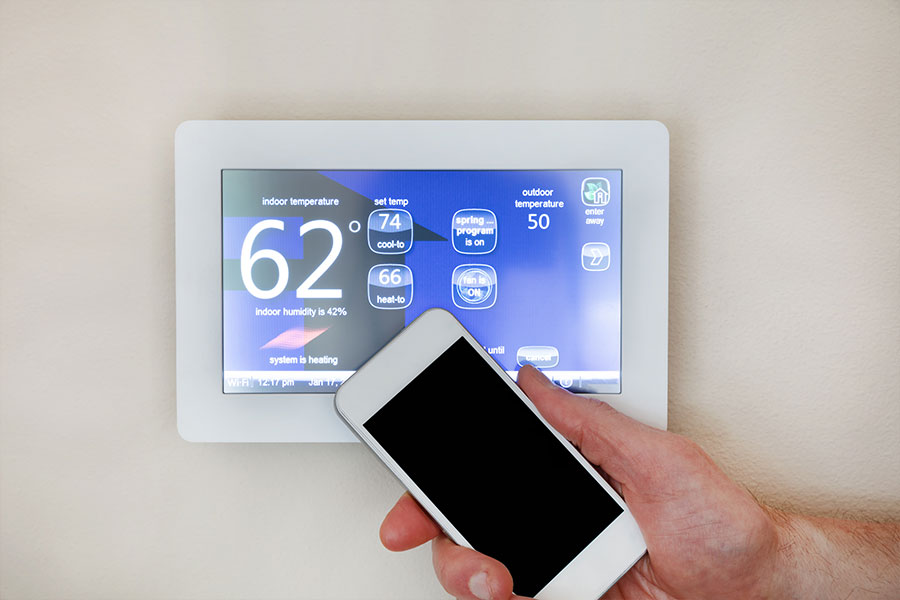
Installing a new thermostat in your Marietta, GA home involves three key steps: preparing the right tools and ensuring system compatibility, properly removing the old unit and connecting the new one, and testing and calibrating your settings for optimal comfort. While basic thermostat swaps may seem straightforward, professional installation ensures correct wiring, system compatibility, and reliable performance from day one.
What Tools and Materials Do You Need for a Thermostat Installation?
Proper preparation is the foundation of a successful thermostat installation. Before any work begins, confirming that the new thermostat is compatible with your existing HVAC system prevents wiring issues and performance problems. Not every thermostat works with every system, and mismatches can cause short cycling, unresponsive controls, or even equipment damage.
In our work across Marietta, from homes near the Square to the East Cobb neighborhoods, we frequently see thermostat installations complicated by older wiring that does not support modern smart models. A professional assessment before purchasing the thermostat saves time and avoids returns. Our technicians specialize in smart thermostat installation and can verify compatibility with your specific system before the work begins.
The standard tools needed include a screwdriver set (flathead and Phillips), wire strippers, a voltage tester, a level, and a drill for wall mounting. Having the new thermostat’s manual accessible during installation helps clarify any model-specific wiring or configuration requirements. For Wi-Fi-enabled models, confirming your network credentials ahead of time streamlines the setup process.
How Does the Thermostat Setup Process Work?
The setup process begins with turning off power to the HVAC system at the breaker panel. This is a critical safety step that protects both the installer and the equipment. Working with live wires risks electrical shock and can damage sensitive thermostat components.
Once the power is off, the old thermostat is removed carefully. Each wire should be labeled before disconnecting to ensure correct placement on the new unit. Misconnected wires are one of the most common causes of thermostat malfunctions after installation, and proper labeling prevents confusion during reconnection.
The new thermostat’s mounting plate is secured to the wall, and each wire is connected according to the manufacturer’s terminal designations. After all connections are verified as secure, the thermostat is mounted to the plate and power is restored. The unit should power on and display its initial configuration prompts.
Correct thermostat installation also supports the health of your broader HVAC system. A properly wired thermostat communicates accurately with your equipment, preventing unnecessary strain that can lead to premature wear. Homeowners near the Kennesaw Mountain area and along Whitlock Avenue often rely on our team for both thermostat work and comprehensive cooling system repairs when issues arise.
How Should You Test and Fine-Tune Your Thermostat Settings?
Testing your thermostat immediately after installation confirms that it communicates correctly with your HVAC system. Set the temperature a few degrees above and below your current room temperature and verify that the system responds by activating heating and cooling modes as expected. If the system does not respond or cycles irregularly, a wiring issue or compatibility problem may need attention.
Programming a schedule is one of the most effective ways to improve both comfort and energy efficiency. Setting the thermostat to reduce heating or cooling while you are away and resume comfortable temperatures before you return can lower energy consumption by 10% or more over the course of a year. Smart thermostats take this a step further by learning your patterns and adjusting automatically.
Monitoring humidity levels through your thermostat, if the model supports it, adds another layer of comfort management. Georgia’s climate can swing between high summer humidity and dry winter air, and maintaining indoor levels between 30% and 50% protects both your health and your home.
Pairing your new thermostat with routine professional AC maintenance ensures the entire system operates in sync. A well-calibrated thermostat paired with a properly maintained HVAC system delivers consistent comfort and lower utility bills throughout the year.
As cooler months approach, your thermostat also controls your heating system. If your furnace has not been serviced recently, scheduling a furnace inspection alongside your thermostat upgrade ensures everything is ready for the season ahead.
Frequently Asked Questions
Can I Install a Smart Thermostat in an Older Marietta Home?
Yes, most smart thermostats can be installed in older homes, but compatibility depends on the existing wiring and HVAC system type. Many older Marietta homes, particularly those built before the 1990s near the Square and along Whitlock Avenue, may lack a C-wire (common wire) that many smart models require. A technician can add a C-wire adapter or run new wiring to make the installation work properly.
How Much Can a Programmable Thermostat Save on Energy Bills?
A programmable or smart thermostat can reduce heating and cooling costs by approximately 10% per year when used with consistent scheduling. The savings come from reducing output during hours when the home is unoccupied or when occupants are sleeping. Actual savings vary based on the home’s insulation, HVAC efficiency, and usage patterns.
What Should I Do If My New Thermostat Is Not Responding?
An unresponsive thermostat after installation usually indicates a wiring issue, a tripped breaker, or a compatibility mismatch with the HVAC system. Check that the breaker is on and that all wire connections are secure and matched to the correct terminals. If the issue persists, a licensed technician should evaluate the installation to prevent equipment damage.
Is It Better to Install a Thermostat Myself or Hire a Professional?
Basic thermostat replacements with matching wiring can be handled by a handy homeowner, but smart thermostat installations, system upgrades, or homes with complex HVAC configurations benefit from professional installation. A technician ensures correct wiring, verifies system compatibility, and configures advanced features like humidity control, scheduling, and Wi-Fi integration.
Get the Most From Your New Marietta Thermostat
A new thermostat is a straightforward upgrade that can significantly improve your home’s comfort and energy efficiency when installed and configured correctly. At Hope Heating & Air, our licensed technicians help Marietta homeowners select the right model, ensure proper installation, and optimize settings for year-round performance. If you are planning a thermostat upgrade or need help with your current system, schedule your appointment today and let our experienced team handle the details.