



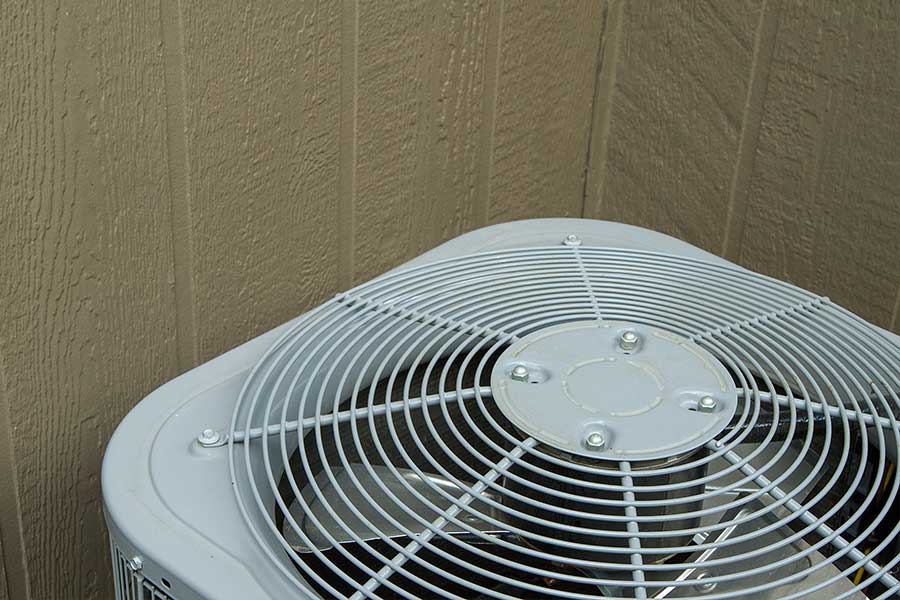
A successful AC installation starts well before the equipment arrives. Atlanta, GA homeowners should assess their home’s cooling load, choose the right system type and efficiency rating, hire a licensed HVAC contractor with local experience, understand the installation timeline, and prepare the home for a smooth install day. Skipping any of these steps can lead to an oversized or undersized system, higher energy costs, and avoidable comfort problems.
Assess Your Home’s Cooling Needs
Every AC installation should begin with a clear picture of what your home actually requires. The right system size depends on square footage, ceiling height, insulation quality, window placement, and how much direct sunlight your home receives throughout the day.
In Atlanta, GA, these factors carry extra weight. Homes in Buckhead with large windows facing south have very different cooling demands than a shaded bungalow in Grant Park. A professional load calculation, often called a Manual J calculation, accounts for all of these variables and produces a precise recommendation.
Guessing at system size is one of the most common and costly mistakes homeowners make. An oversized unit short-cycles, running in brief bursts that never properly dehumidify the air. An undersized unit runs constantly and still cannot keep up on the hottest days. A licensed technician who handles AC installation and replacement will perform this calculation as a standard part of the process.
How Do You Choose the Right AC System for Your Space?
Once the load calculation is complete, the next step is matching the right equipment to your home’s layout and your family’s priorities.
System type. Central air conditioners are the most common choice for homes with existing ductwork. Heat pumps offer both heating and cooling in a single unit, which works well in Atlanta’s moderate winters. Ductless mini-split systems are ideal for room additions, converted garages, or older homes without duct infrastructure.
Efficiency rating. SEER2 ratings measure how efficiently a system converts electricity into cooling. Higher-rated systems cost more upfront but deliver lower monthly utility bills. For Atlanta homeowners who run their AC six or more months per year, investing in a higher-efficiency unit typically pays for itself over the system’s lifespan.
Features and controls. Variable-speed compressors, two-stage cooling, and communicating thermostats allow the system to adjust output based on real-time conditions rather than simply cycling on and off. These features improve comfort and reduce energy waste.
If your current unit has been requiring more frequent service calls, a technician can evaluate whether continued AC repairs are cost-effective or whether replacement is the smarter long-term investment.
Why Does Finding a Trusted HVAC Contractor Matter?
The quality of your installation depends as much on the installer as it does on the equipment. A poorly installed high-efficiency system will underperform and may void the manufacturer’s warranty.
When evaluating HVAC contractors in Atlanta, GA, look for these indicators of reliability:
- Licensing and insurance: Georgia requires HVAC contractors to hold a valid license. Insurance protects you from liability if something goes wrong during the installation.
- Local track record: A contractor with years of experience in Metro Atlanta understands the specific demands of the climate, local building codes, and permitting requirements.
- Transparent communication: A trustworthy contractor explains your options in plain language, provides a detailed written estimate, and does not pressure you into decisions.
- Reviews from real customers: Consistent five-star reviews from homeowners in neighborhoods like Virginia-Highland, Midtown, and along the BeltLine corridor indicate a pattern of reliable work.
- Post-installation support: Ask whether the contractor offers maintenance agreements and what the warranty covers. A company that stands behind its work will make this easy to understand.
What Should You Know About the Installation Process and Timeline?
Understanding what happens on installation day helps you plan and eliminates surprises. A standard residential AC installation follows a predictable sequence.
The process begins with removal of the old equipment, including proper refrigerant recovery and disposal. The technician then installs the new outdoor condenser and indoor evaporator coil, connects refrigerant lines, and wires the system to your electrical panel and thermostat.
For a straightforward replacement using existing ductwork, most installations take between four and eight hours. Jobs that involve ductwork modifications, electrical upgrades, or relocating the outdoor unit may extend into a second day.
After the physical installation is complete, the technician runs a full system test, checks refrigerant charge, verifies airflow at each register, and walks you through operation of your new thermostat and controls. Scheduling regular AC maintenance checkups after installation keeps the manufacturer’s warranty intact and catches small issues before they become expensive repairs.
How Should You Prepare Your Home for Installation Day?
A few simple preparations make the installation faster and help the crew work efficiently.
- Clear the work areas: Move furniture, storage items, and valuables away from the indoor unit location and the path the crew will use to move equipment.
- Provide access: Make sure the technician can reach the electrical panel, attic or crawl space, and the outdoor unit location without obstruction.
- Secure pets: Keep dogs, cats, and other animals in a separate room or area where they will not interfere with the crew or escape through open doors.
- Coordinate utilities: If the installation requires a temporary power shutoff or gas line work, your contractor will let you know in advance so you can plan accordingly.
- Discuss preferences: Share any concerns about noise, thermostat placement, or where outdoor equipment should sit. These are easier to address before work begins than after.
Pairing your new AC with a smart thermostat installation adds programmable scheduling, remote access, and energy usage tracking that help you get the most out of your investment from day one.
Frequently Asked Questions
How long does a new AC system last in Atlanta’s climate?
A properly installed and maintained central air conditioner typically lasts 15 to 20 years in Metro Atlanta, GA. The region’s long cooling season means systems accumulate more run hours per year than homes in cooler climates, which makes annual maintenance especially important for reaching the upper end of that range.
What size AC unit do most Atlanta homes need?
System size is measured in tons of cooling capacity, and the right answer depends entirely on your home. A 2,000-square-foot home in the Piedmont Park area with good insulation may need a 3-ton unit, while a similarly sized home with poor insulation, large windows, or a west-facing orientation could require 3.5 or 4 tons. A Manual J load calculation provides the accurate answer.
Is it worth upgrading to a higher SEER2 rating?
For Atlanta homeowners, the answer is usually yes. Because AC systems run six to eight months per year here, the energy savings from a higher-efficiency unit compound quickly. A system rated at 18 SEER2 versus the minimum 15 SEER2 can reduce cooling costs by 15 to 20 percent annually.
Do I need a permit for AC installation in Atlanta, GA?
Yes. Most jurisdictions in Metro Atlanta require a mechanical permit for HVAC installation or replacement. A licensed contractor handles the permit application and scheduling of inspections as part of the project, so homeowners do not need to navigate the process independently.
Your Comfort Starts With the Right Plan
A new AC installation is one of the most impactful upgrades you can make for your Atlanta home. Taking the time to assess your needs, choose the right system, and work with a qualified contractor sets you up for years of reliable, efficient cooling. Hope Heating & Air brings over 20 years of Metro Atlanta experience, licensed technicians, and a commitment to honest recommendations with every project. When you are ready to take the next step, request a free estimate and let our team help you find the right fit for your home.