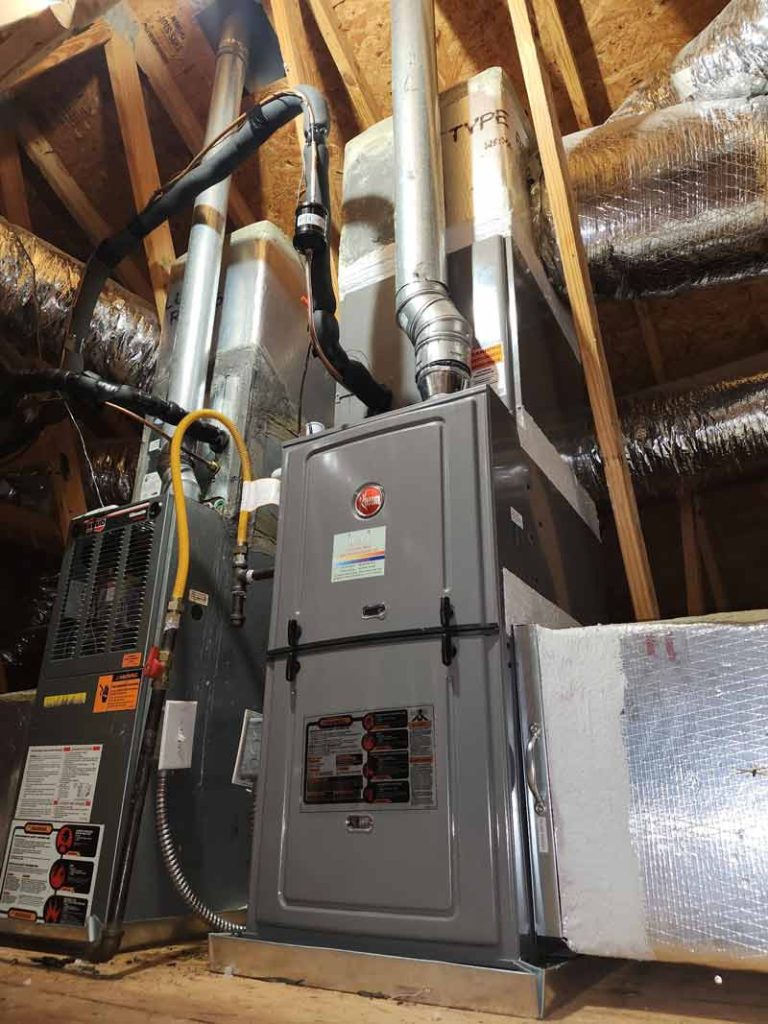
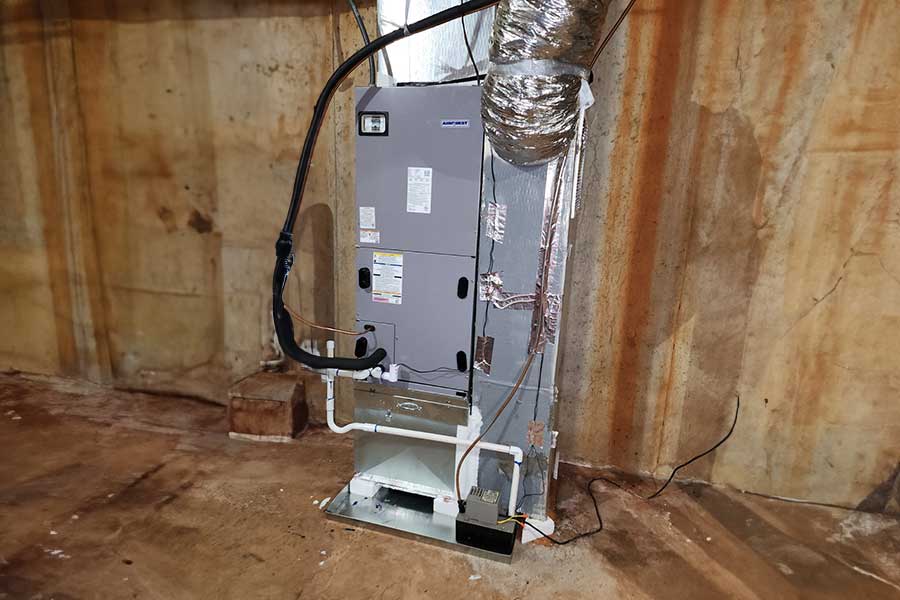
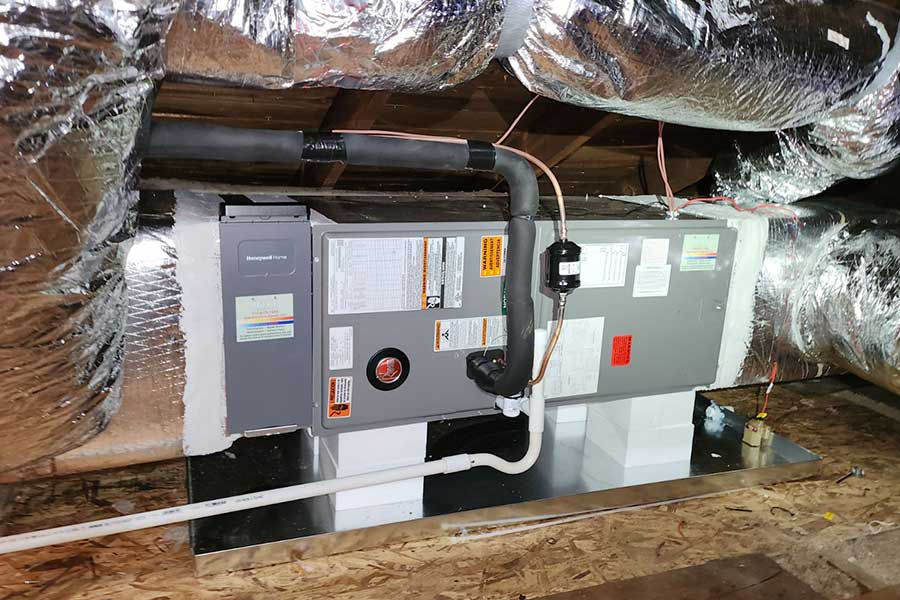
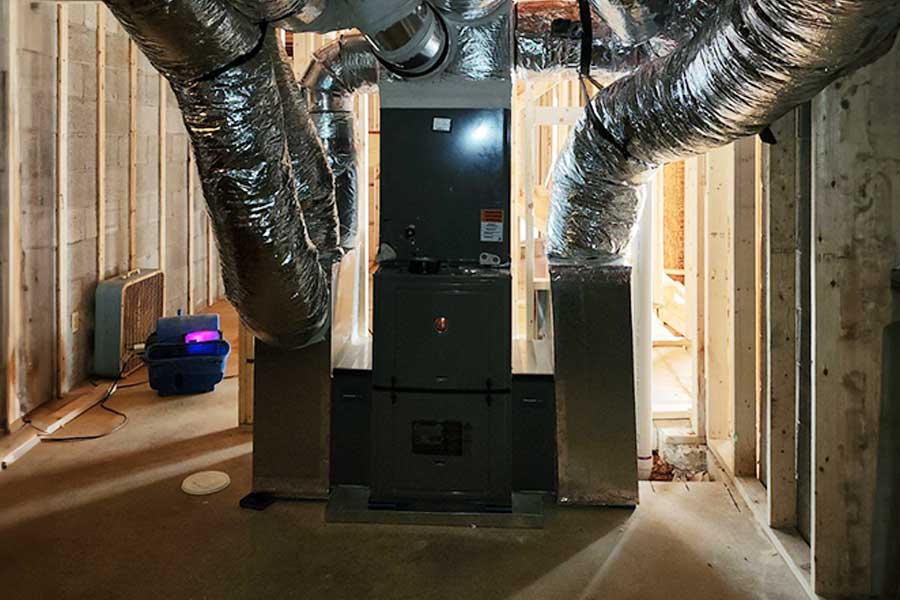
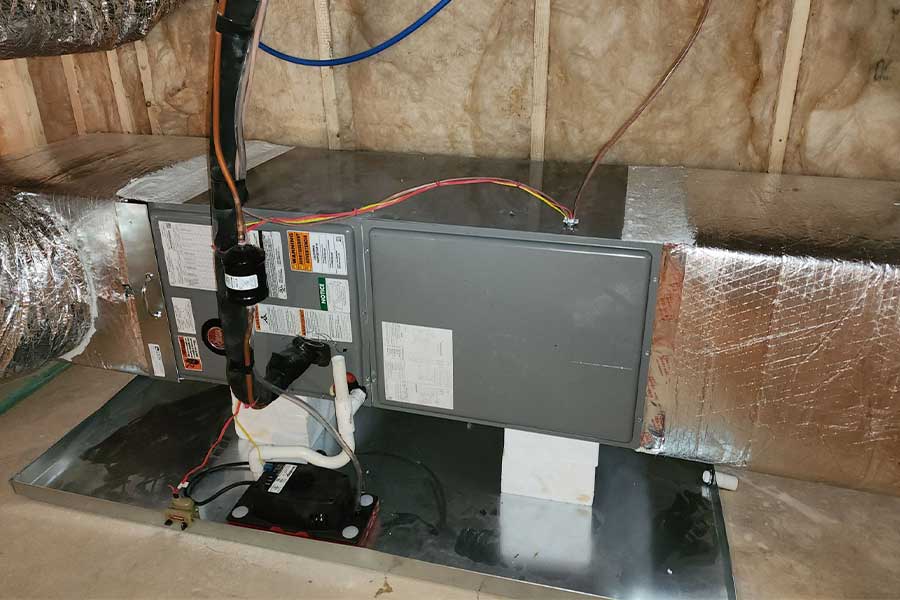
Walk through almost any Dunwoody subdivision and you will see the same thing: two-story traditional homes built in the 1970s and 1980s, many with full basements and a second heating system tucked into the attic. That layout keeps families comfortable when everything works, but it also means more equipment to maintain and more places for something to go wrong.
Hope Heating & AC Repair repairs furnaces across Dunwoody, from Dunwoody North to the neighborhoods surrounding Dunwoody Village. When the heat quits or one floor never warms up, we find out why and get it fixed.
Contact Us
Warning Signs Your Dunwoody Furnace Needs Attention
In a two-story home, a struggling furnace does not always announce itself loudly. Sometimes the only clue is a bedroom that feels a few degrees colder than it used to. Here is what Dunwoody homeowners should watch for on each level:
Upstairs: rooms that stay chilly when the thermostat calls for heat, or an attic unit that seems to run constantly
Main floor: weak airflow from the registers or air that feels lukewarm instead of warm
Basement: rattling, humming, or squealing from the furnace cabinet, or water pooling near the unit
Anywhere: a thermostat that seems unresponsive or a system that turns on and off in short bursts
Noting which floor is affected helps our technician narrow down the problem faster once we arrive.
Furnace Problems Dunwoody Homeowners Run Into Most
Dunwoody’s housing boom happened decades ago, which means many homes are on their second or even third furnace. Replacement equipment does not always match the original duct layout, and that mismatch shows up as uneven heat, noisy airflow, and blowers that work harder than they should.
Attic furnaces face their own challenges. On cold January nights, an attic can get close to outdoor temperatures, so the unit has to work extra hard to deliver warm air to upstairs bedrooms. High-efficiency attic units also produce condensate that has to drain properly, and a clogged line can shut the system down. Down in the basement, the issue is usually moisture. Plenty of Dunwoody homes sit on sloped lots where groundwater finds its way into lower levels, and damp air is hard on furnace components over time.
How Hope Heating & AC Repair Restores Your Heat
Many Dunwoody homes run two systems, and a problem on one can affect how the other performs. Our technicians look at the whole picture before recommending a fix. Repairs we handle include:
Blower motors and run capacitors
Igniters, flame sensors, and burner cleaning
Condensate pumps and drain lines on attic and basement units
Pressure switches and inducer motors
Thermostats and zoning controls
Once the repair is complete, we test the system through a full heating cycle and check temperatures at the registers so you can feel the difference on every floor.
Jennifer called on a cold January evening. Her basement furnace in Dunwoody North was humming, but no air was coming out of the vents, and the downstairs was getting cold fast.
When our technician opened the cabinet, he found the blower motor trying to start but unable to spin. The run capacitor, which gives the motor the boost it needs to turn, had failed. He replaced the capacitor, confirmed the blower was running at the right speed, and checked the rest of the system while he was there.
Warm air was flowing again within minutes of the repair. A humming furnace with no airflow is a classic sign of a capacitor problem, and catching it quickly helps protect the blower motor from overheating.
Why Dunwoody Families Trust Hope Heating & AC Repair
Every Dunwoody home has its own quirks, and the people living there usually know them best. That is why our technicians listen to what you have noticed about your system before they open a single panel.
We keep explanations straightforward, give you options without pressure, and make sure every floor is heating properly before we leave. If your furnace is acting up anywhere in Dunwoody, call Hope Heating & AC Repair to schedule service.
Why is my upstairs so much colder than my downstairs in winter?
In many two-story Dunwoody homes, the upstairs is served by an attic system or by long duct runs through unconditioned space. Cold attic temperatures, leaky or poorly insulated ducts, and an unbalanced system can all leave upper floors chilly. A technician can check airflow and the attic equipment to find the cause.
My home has two furnaces. Do both need attention?
Yes. Each system runs independently, with its own filter, ignition parts, and blower. A problem with one will not always show up on the other, so both should be checked and maintained before the heating season.
Why is my furnace humming but not blowing air?
A humming furnace with no airflow often means the blower motor cannot start, commonly because of a failed capacitor or a worn motor. Turn the system off to keep the motor from overheating and call for repair.
What does it mean if water is collecting around my furnace?
High-efficiency furnaces produce condensate water as they run. Water near the unit usually means a clogged drain line, a failed condensate pump, or a cracked fitting. Many furnaces will shut down when this happens to prevent damage, so it should be repaired promptly.
How can I tell if my furnace has shut itself down for safety?
Most modern furnaces have a small light on the control board that blinks a code when there is a fault. If the furnace keeps locking out or you find yourself resetting it often, do not keep restarting it. Repeated lockouts point to a problem that needs a technician.