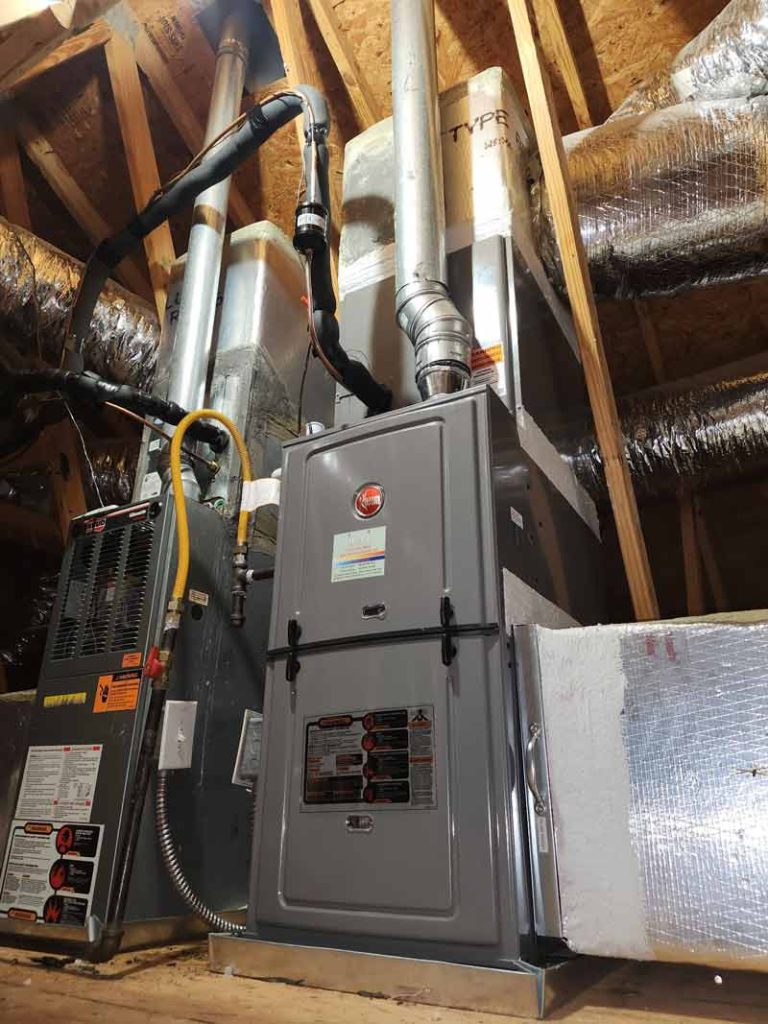
Norcross started as a railroad town in the 1870s, and its historic downtown still has the cottages and Victorian homes to prove it. Spread out beyond those streets are decades of ranches, split-levels, and townhomes, each heated by furnaces of different ages and designs.
No matter which part of Norcross you call home, Hope Heating & AC Repair is ready to diagnose and repair your furnace. We focus on finding the true cause so your heat comes back and stays on.
Contact Us
Warning Signs Your Norcross Furnace Needs Attention
Not sure whether your furnace needs a technician? A few quick questions can help you decide. Ask yourself:
Is the furnace running but blowing air that feels cool or barely warm?
Have you heard gurgling or dripping, or seen water around the unit?
Does the system shut off and restart repeatedly within a few minutes?
Has a strange smell, especially a gas or rotten egg odor, shown up near the furnace?
Are you resetting the furnace or the breaker more than once a season?
If you answered yes to any of these, it is time to schedule a repair. For a gas odor, leave the home first and call your gas utility before contacting us.
Furnace Problems Norcross Homeowners Run Into Most
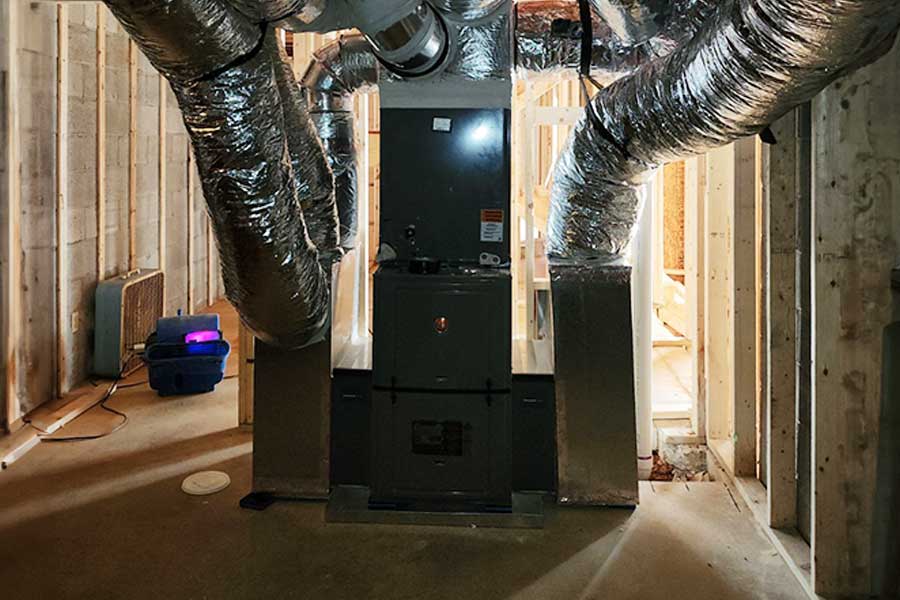
Split-level homes are a big part of the Norcross landscape, and they come with a specific heating challenge. The furnace often sits on the lowest level and has to push warm air up through several short flights of ductwork to reach the bedrooms on top. When filters clog or ducts leak, those upper rooms are the first to feel it.
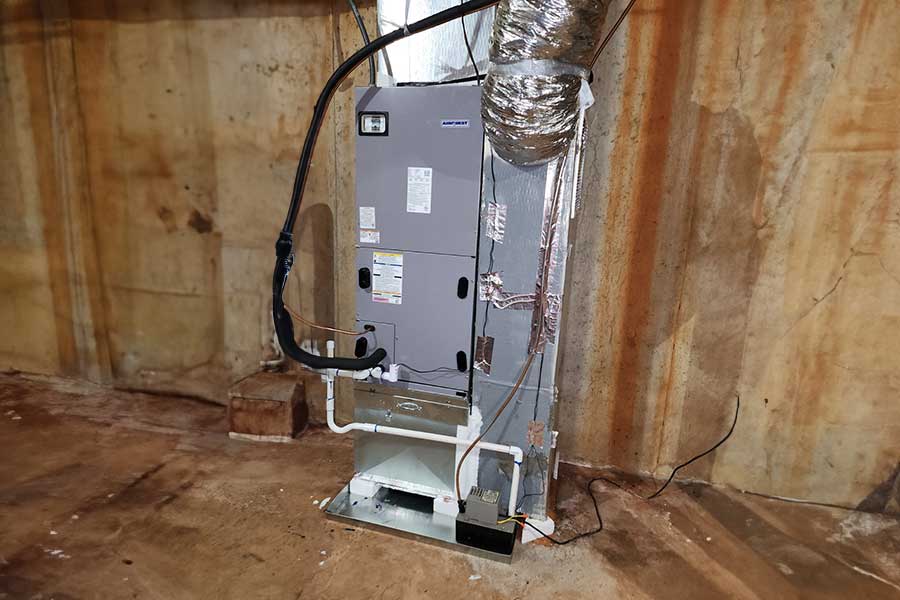
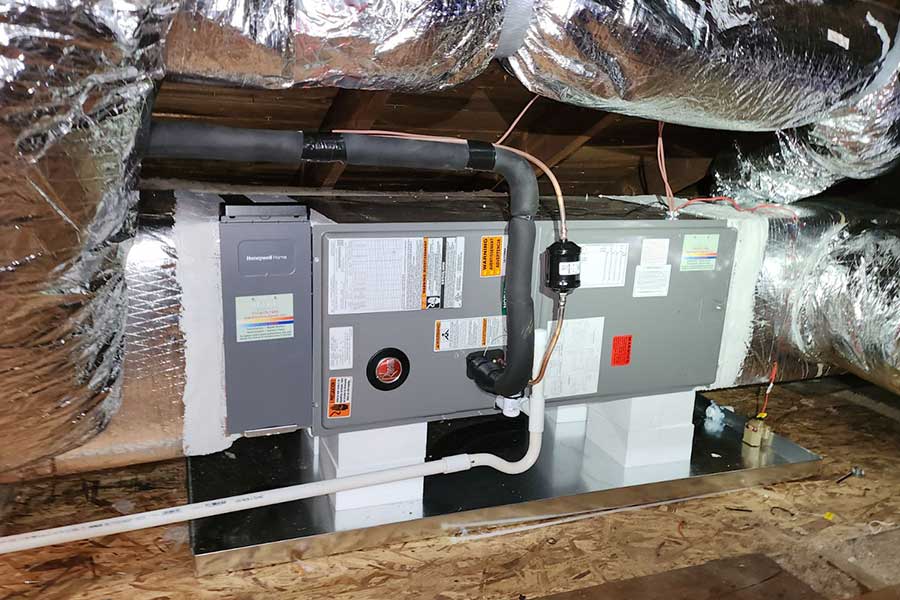
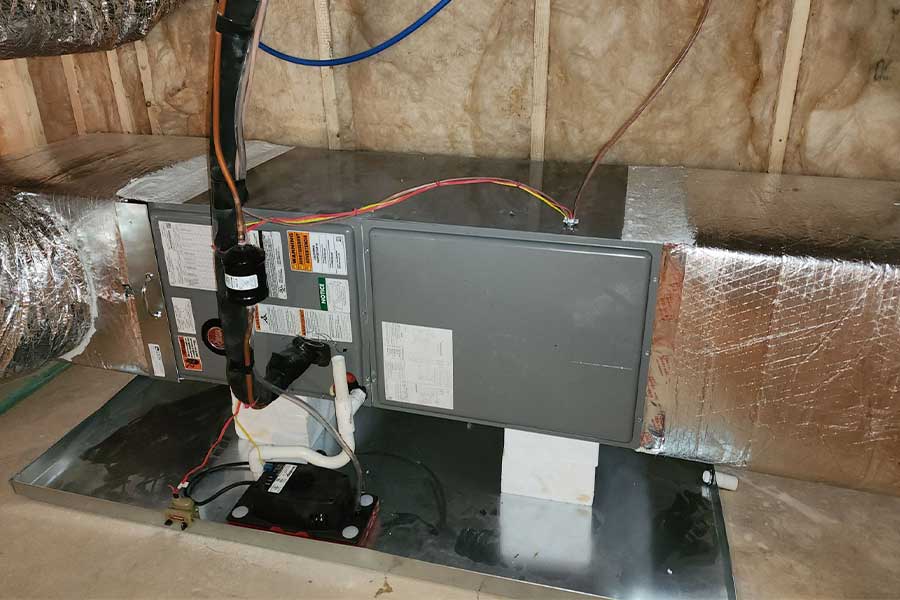
Lower-level installations also tend to sit close to the ground, where Georgia’s humid climate and heavy rains can keep the air damp. High-efficiency furnaces in these spaces produce their own water as they run, and if the condensate drain or pump fails, the furnace will shut itself down to prevent a leak. Rust on the cabinet floor or around the burners is another common finding in damp lower levels.
How Hope Heating & AC Repair Restores Your Heat
Our approach is simple: match the repair to the problem, not the other way around. Here is how common Norcross complaints usually line up with the fixes we make:
No heat at all: igniter, flame sensor, gas valve, or control board diagnosis
Water near the furnace: condensate drain clearing or pump repair
Weak airflow: blower motor, capacitor, filter, and duct restriction checks
Short cycling: limit switch, pressure switch, and airflow testing
Inconsistent comfort: thermostat repair or replacement
After the repair, we run the system through full heating cycles and walk you through what we found, so you know exactly what was fixed and why.
Inside a Typical Service Visit Near Historic Downtown Norcross
James had just moved into a split-level near Historic Downtown Norcross when his furnace began shutting down every couple of hours. He would reset it, the heat would come back on, and then it would quit again.
Our technician checked the furnace and found the condensate drain line clogged with sludge. Water was backing up into the drain trap, which tripped a safety switch and stopped the system. He cleared the line, flushed the trap, and confirmed water was draining freely before running the furnace through several complete cycles.
The shutdowns stopped right away. Condensate clogs are a common reason high-efficiency furnaces quit, and a quick cleaning during routine maintenance helps keep them from coming back.
Why Norcross Families Trust Hope Heating & AC Repair
Every repair begins with a conversation. Our technicians ask what you have noticed, explain what they find in clear terms, and make sure you understand your options before any work starts.
Norcross is a close-knit city with a wide variety of homes, from historic cottages near Thrasher Park to newer townhomes along Buford Highway, and we treat each one with the same care. When your furnace needs attention, call Hope Heating & AC Repair to get your home warm again.
Why does my furnace shut off and restart on its own?
This is called short cycling. Common causes include a dirty filter, an overheating furnace tripping the limit switch, a dirty flame sensor, or a clogged condensate drain on high-efficiency units. Short cycling wears out parts faster, so it is worth having checked soon.
What is a condensate drain and why does it clog?
High-efficiency furnaces create water as they extract heat from combustion gases, and the condensate drain carries that water away. Over time, sludge and buildup can collect in the line or trap. When it clogs, a safety switch shuts the furnace down to prevent water damage.
Why are the top-floor rooms in my split-level home colder?
In split-level homes, the furnace is often on the lowest floor, so warm air has to travel the farthest to reach the top. Leaky ducts, closed vents, dirty filters, and limited return air can all reduce how much heat makes it upstairs. An airflow check can identify the cause.
Is it normal for my furnace to make noise?
Some sound is normal, such as a soft whoosh when the burners light and the steady hum of the blower. Banging, squealing, grinding, or loud rattling are not normal and usually point to a part that needs attention.
What should I do if I smell gas near my furnace?
Leave the home right away. Do not flip light switches, use phones, or operate appliances inside. Once you are outside, call your gas utility or emergency services. After the gas issue is addressed, we can inspect and repair your furnace.