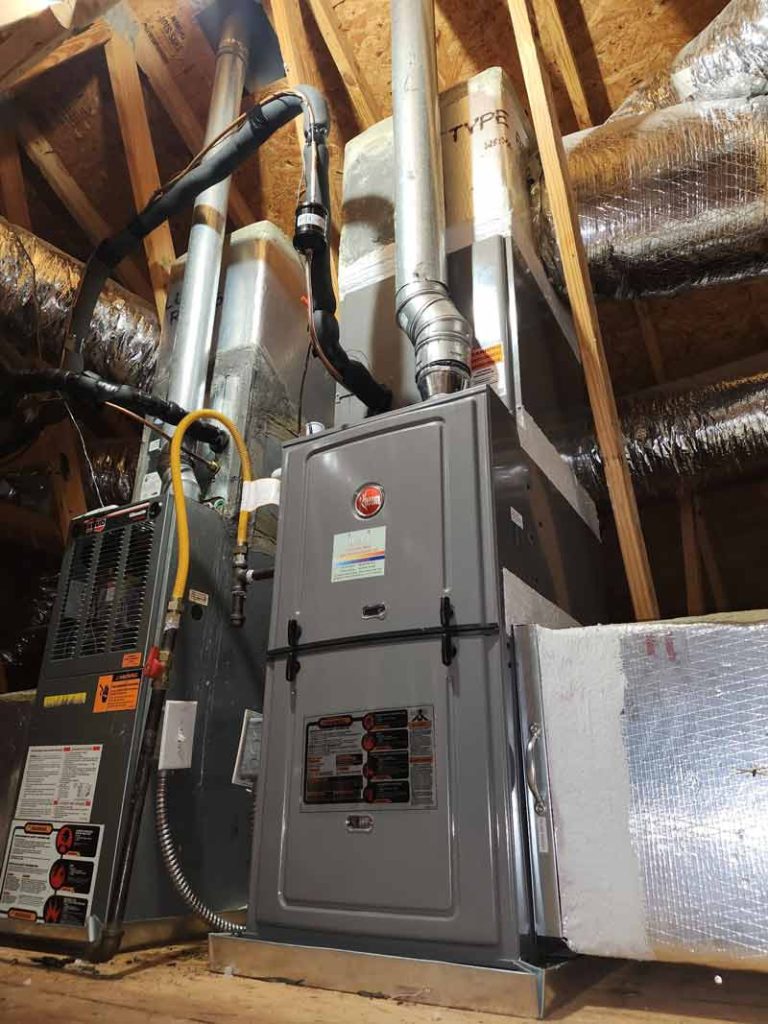
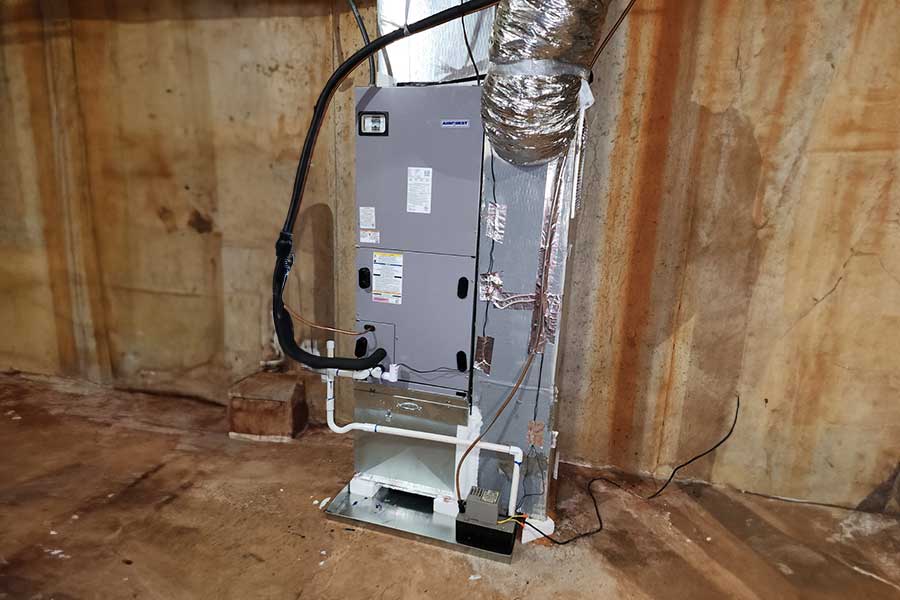
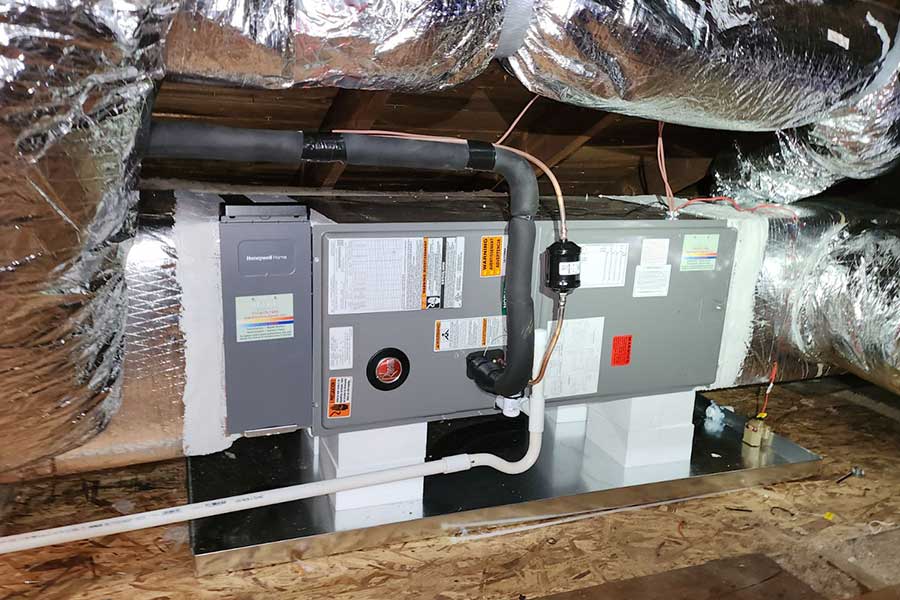
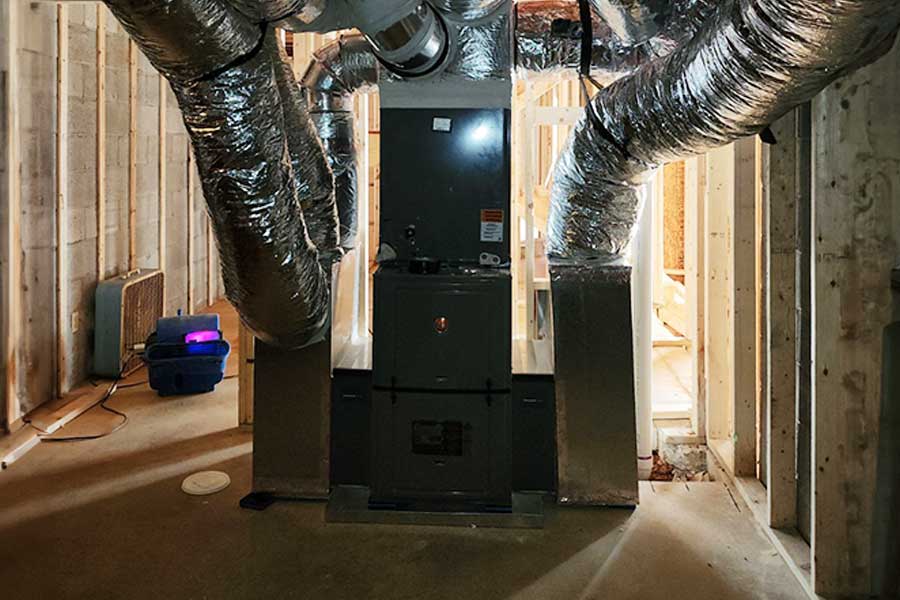
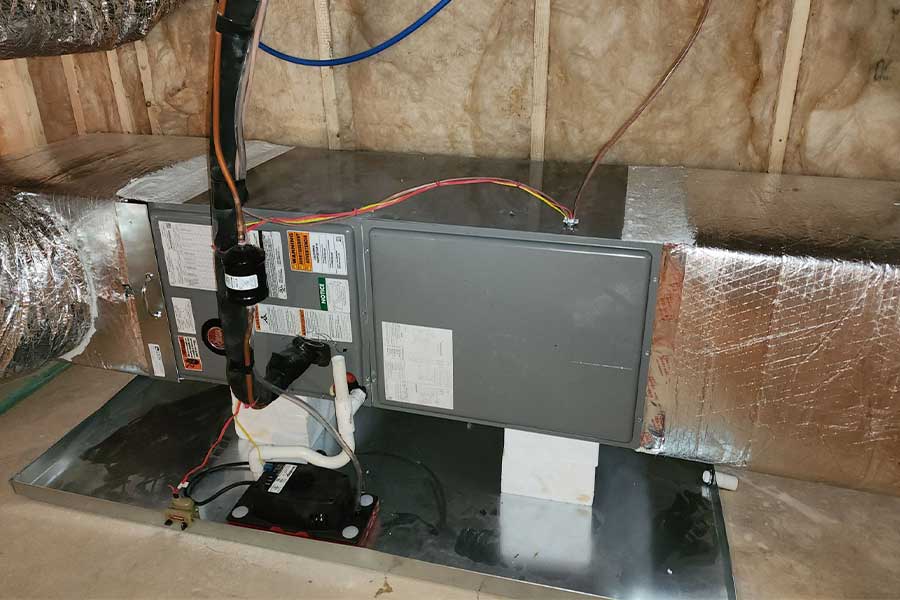
Roswell grew up along the Chattahoochee River and Vickery Creek, and that wooded, rolling landscape still shapes how homes here are built. Many houses sit on sloped lots with walk-out basements, and plenty of furnaces live in those lower levels, close to the ground and surrounded by trees.
Hope Heating & AC Repair repairs furnaces throughout Roswell, from neighborhoods near the historic district to large communities like Martin’s Landing. When your system stops heating the way it should, we track down the problem and fix it.
Contact Us
Warning Signs Your Roswell Furnace Needs Attention
Roswell homeowners often notice furnace problems at predictable points in the year. The first chilly week in fall reveals parts that wore out over the off-season, and deep winter cold snaps expose systems that were already struggling. Signs to watch for include:
A loud whine, hum, or rattle when the furnace starts up
Burners that light and then shut off a few seconds later
A furnace that runs nonstop on cold nights without reaching the set temperature
Musty or damp odors from the vents, especially in homes with finished basements
When something sounds or smells different than it did last winter, it is worth a professional look before the next cold front arrives.
Why do Roswell furnaces run into the issues they do? A lot of it comes down to trees and terrain.
Thick tree cover means leaves, pine needles, and the occasional nest can find their way into the PVC intake and exhaust pipes on high-efficiency furnaces. When those pipes are blocked, the inducer motor strains and the pressure switch shuts the system down. Falling limbs during winter storms can also damage outdoor venting.
Sloped lots add another layer. Walk-out basements built into hillsides can stay damp, especially after heavy rain, and moisture takes a toll on furnace cabinets, burners, and electrical connections. Older homes in and around the historic district may also have ductwork that has been modified many times, leading to airflow problems that wear down blower motors.
How Hope Heating & AC Repair Restores Your Heat
When our technicians arrive, they inspect more than the furnace cabinet. In Roswell, that often means checking outdoor vent pipes for blockages, testing the inducer motor and pressure switch, and looking for moisture damage around the unit.
We repair the full range of furnace components, including igniters, flame sensors, blower motors, capacitors, limit switches, gas valves, thermostats, and condensate drains. Before we leave, you get a furnace that has been tested through complete heating cycles, along with a clear explanation of what caused the problem.
Inside a Typical Service Visit in Martin's Landing
Lisa noticed a high-pitched whine coming from her basement every time the heat kicked on at her home in Martin’s Landing. At first the furnace still worked, but within a week it began shutting down before the burners ever lit.
Our technician found that the inducer motor, which clears exhaust gases before ignition, had worn bearings and was no longer spinning fast enough. Because the pressure switch could not confirm proper draft, the furnace refused to light. He replaced the inducer motor, checked the vent pipes for obstructions, and ran the furnace through several full cycles.
The whine was gone and the heat came back on steadily. A new noise from the furnace is often the earliest warning of a failing part, and calling early can prevent a complete loss of heat.
Why Roswell Families Trust Hope Heating & AC Repair
Choosing a furnace repair company comes down to trust, and we earn it by keeping things simple. When you call Hope Heating & AC Repair in Roswell, you can expect:
A technician who listens to your description of the problem before diagnosing it
A plain-language explanation of what is wrong and how to fix it
Options that fit your home, without pressure
A tested, working system before we leave
From hillside homes near Vickery Creek to neighborhoods off Holcomb Bridge Road, we are ready to help. Call us today to schedule furnace repair in Roswell.
A whine at startup often comes from the inducer motor or blower motor bearings wearing out. The noise usually gets worse over time, and a failing inducer can eventually stop the furnace from lighting. Have it checked before it fails completely.
How do I check my furnace vent pipes?
High-efficiency furnaces typically vent through two PVC pipes on an outside wall or the roof. Look at the openings for leaves, nests, debris, or ice. Do not push anything into the pipes. If you see a blockage you cannot easily clear by hand, call a technician.
Can a damp basement damage my furnace?
Yes. Ongoing moisture can rust the cabinet and burners, corrode electrical connections, and shorten the life of the furnace. Improving drainage around the home and keeping the basement dry helps, along with regular inspections of the furnace.
What should I do if my furnace stops working after a storm?
Check that power is on at the breaker and the furnace switch, confirm the thermostat is working, and look at the outdoor vent pipes for fallen debris. If the furnace still will not run, call for service rather than resetting it repeatedly.
Is a high-efficiency furnace harder to keep running?
Not necessarily, but it has a few extra parts that need attention, including the condensate drain, PVC venting, and inducer motor. Keeping those clear and having the system maintained each year helps prevent most shutdowns.