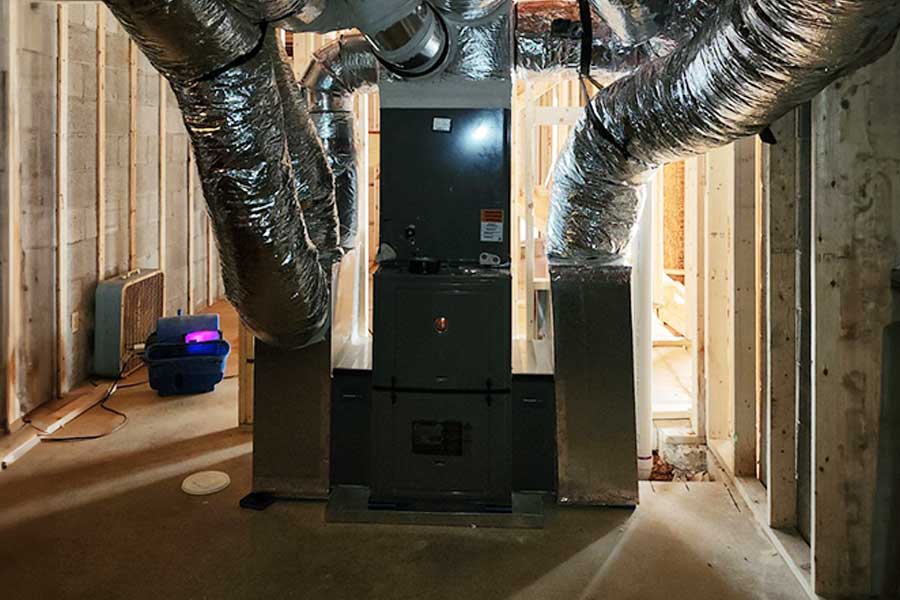
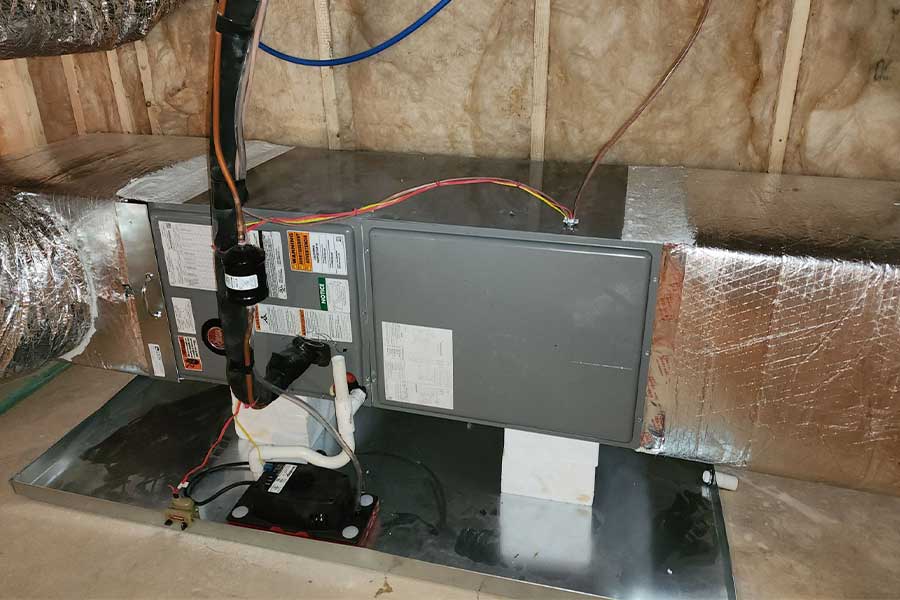
Tucker became a city in 2016, but its neighborhoods have been around much longer. Brick ranches from the 1950s and 1960s line many of its streets, shaded by oaks that have grown up alongside them, while newer homes continue to fill in around Main Street and Lavista Road.
Hope Heating & AC Repair repairs furnaces throughout Tucker. Whether your system is decades old or just a few years in, we find what is wrong and get your heat running again.
Contact Us
Warning Signs Your Tucker Furnace Needs Attention
Some furnace problems are obvious, like no heat on a freezing morning. Others are quiet and easy to dismiss. In Tucker, many homeowners first notice a problem through their utility bill, which creeps up even though nothing about their routine has changed.
Other subtle clues include more dust settling around the house, a dry or stuffy feel to the air, a furnace that runs longer cycles than it used to, or a faint burning smell that lingers past the first day of the season. Louder signs, such as banging at startup, squealing from the blower, or repeated shutdowns, mean it is time to call right away. If your carbon monoxide alarm goes off, leave the house and call for help before anything else.
Tucker’s mature tree canopy and established housing create a predictable set of furnace challenges. Common ones include:
Filters clogged quickly by pollen and leaf debris, leading to overheating and shutdowns
Crawl space ductwork in older ranches that has sagged, separated, or lost insulation over time
Flame sensors and igniters worn down by years of seasonal use
Furnaces that need a reset or repair after power outages caused by falling limbs in winter storms
Most of these problems are straightforward to fix once they are identified, and many can be prevented with regular filter changes and seasonal maintenance.
How Hope Heating & AC Repair Restores Your Heat
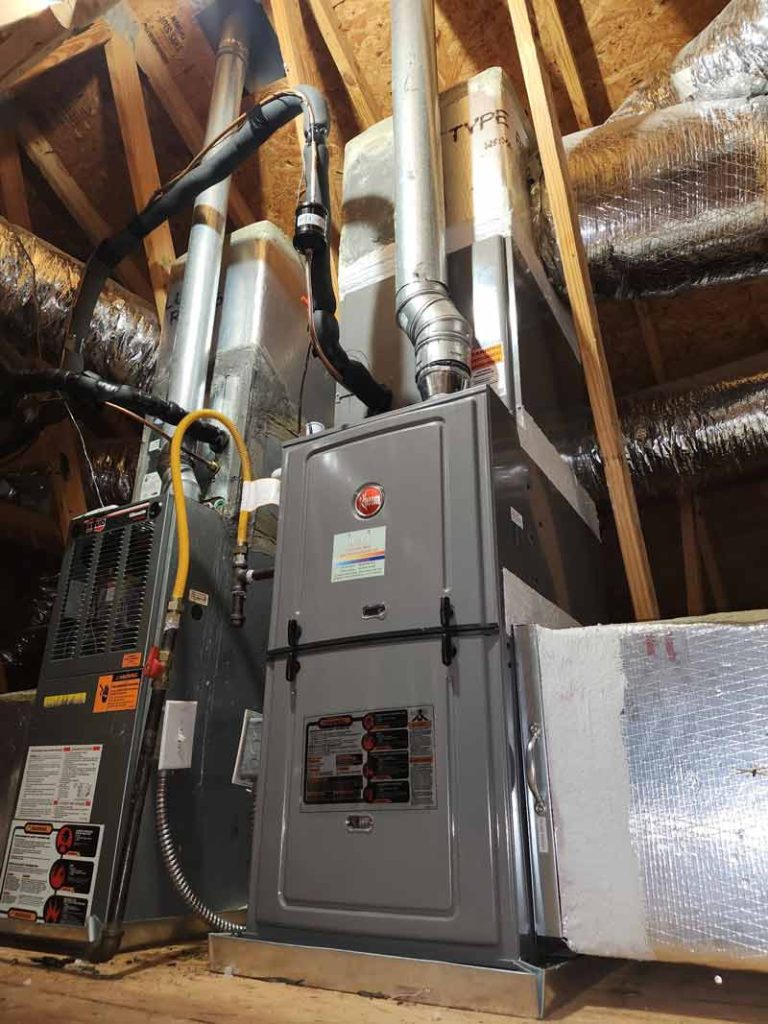
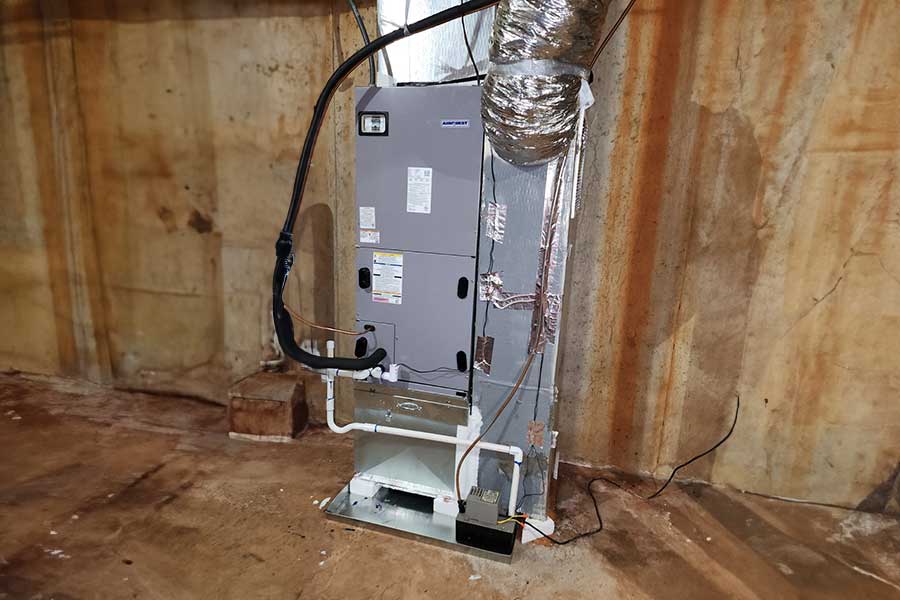
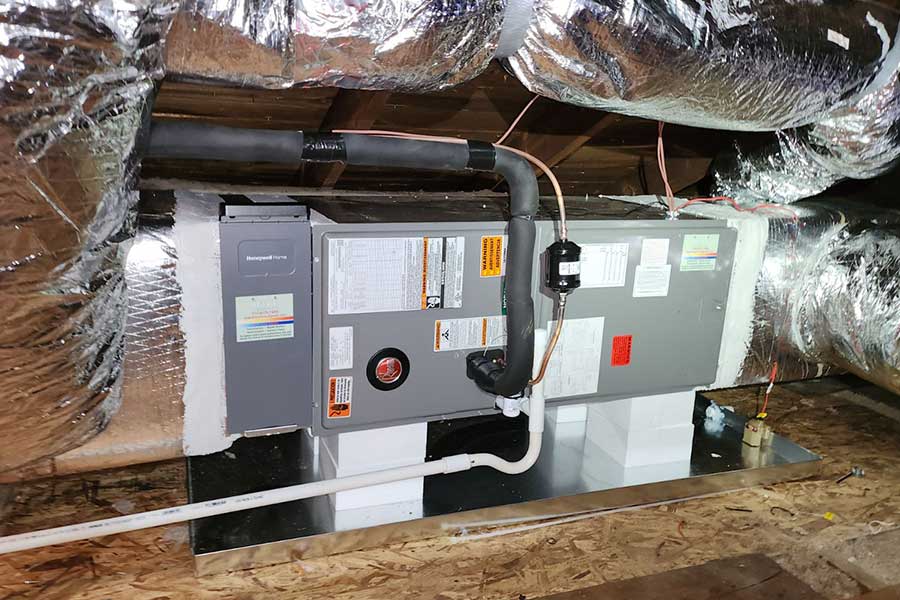
Every furnace repair in Tucker starts with a full diagnosis. Our technician tests the ignition sequence, checks airflow, inspects electrical connections, and looks at the ductwork when it may be part of the problem. Once we know the cause, we explain it and outline the fix before any work begins.
Repairs we commonly perform include flame sensor cleaning and replacement, igniter replacement, blower motor and capacitor work, limit switch and pressure switch repairs, inducer motor replacement, gas valve service, condensate drain clearing, and thermostat repairs. Each job ends with a tested system and a summary of what we did.
Mark’s brick ranch near Main Street in Downtown Tucker had a furnace that would light, run for a few seconds, and shut off. It repeated the cycle three times before locking out completely, leaving the house cold on a December morning.
Our technician recognized the pattern right away. The flame sensor, a small metal rod that confirms the burners are lit, was coated with buildup and could not detect the flame. He cleaned and tested the sensor, inspected the igniter and burners, and replaced a dirty filter before running the furnace through several complete cycles.
The system stayed on and the house warmed up quickly. A dirty flame sensor is a simple fix, and checking it during routine maintenance helps keep it from happening again.
Why Tucker Families Trust Hope Heating & AC Repair
Tucker has a small-town feel, even inside the metro area, and we think furnace repair should feel that way too. That means straight answers, fair recommendations, and technicians who take the time to explain what is going on with your system.
From the neighborhoods around Henderson Park to homes near Northlake, Hope Heating & AC Repair is ready to help when your heat goes out. Call us to schedule furnace repair in Tucker today.
Why does my furnace light and then shut off right away?
The most common cause is a dirty flame sensor that cannot confirm the burners are lit, so the furnace shuts off the gas as a safety measure. Other causes include ignition or gas supply problems. A technician can clean or replace the sensor and test the system.
What should I do if my furnace will not start after a power outage?
Check the circuit breaker, the furnace power switch, and the thermostat. Some furnaces need a few minutes to reset after power returns. If the system still will not start, call for service instead of cycling the power repeatedly.
Can old ductwork affect how well my furnace works?
Yes. Ducts in older crawl spaces can sag, separate, or lose insulation, which reduces airflow and makes the furnace work harder. An inspection can find leaks and damaged sections that are holding your system back.
Why is my heating bill higher than usual?
Higher bills during normal weather often point to a dirty filter, worn parts, leaky ductwork, or a thermostat that is not reading correctly. A technician can check the system and find where efficiency is being lost.
How often should my furnace be serviced?
Once a year is a good rule, ideally in early fall before the heating season starts. Annual maintenance catches worn parts, cleans key components, and helps prevent breakdowns on cold nights.