



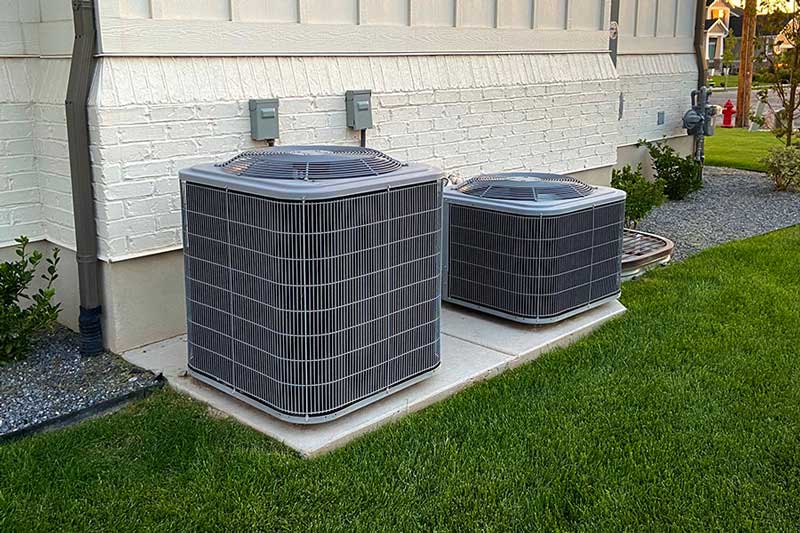
Choosing the right AC unit for a Sandy Springs home depends on the size and layout of the house, the system’s energy efficiency rating, and whether the existing infrastructure supports central air or a ductless option. Most homes in the area perform best with a central air system rated at SEER 15 or higher, properly sized by a licensed HVAC professional. The right unit keeps energy costs manageable while delivering reliable cooling through Georgia’s long, humid summers.
What Types of AC Units Work Best for Sandy Springs Homes?
When temperatures climb past 90 degrees near Morgan Falls Park and along Abernathy Road, a reliable air conditioning system is not optional. Several types of AC units are available, and each serves a different purpose.
Central air conditioning systems remain the most popular choice for Sandy Springs homes. These units distribute cooled air through existing ductwork, providing consistent temperatures in every room. For homes built without ductwork, ductless mini-split systems offer targeted cooling for individual rooms with strong energy efficiency.
Window units can work well for smaller spaces or single rooms on a budget, while portable air conditioners provide temporary, flexible cooling when needed. A licensed HVAC technician can evaluate your home’s layout and recommend the best fit. If your current system has reached the end of its lifespan, professional AC installation and replacement ensures the new unit is sized and configured correctly from day one.
What Factors Matter Most When Choosing an AC Unit?
Several factors determine which AC unit will perform best in your home.
Home size and layout directly affect cooling capacity. A system that is too small will run constantly without reaching a comfortable temperature. One that is too large cycles on and off too frequently, wasting energy and leaving humidity unchecked.
Energy efficiency ratings like SEER (Seasonal Energy Efficiency Ratio) indicate how much cooling a unit delivers per dollar of energy consumed. Higher SEER ratings translate to lower monthly utility bills. For Sandy Springs and the broader Perimeter area, a SEER rating of at least 15 is a smart baseline.
Climate demands also play a role. Georgia summers bring sustained heat and humidity, so the unit needs to handle extended run times without straining.
Budget matters, but the lowest upfront cost does not always mean the best value. A more efficient unit often pays for itself in energy savings over several years.
Professional installation is the final piece. Even the best AC unit will underperform if it is improperly installed or incorrectly charged. Working with an experienced local HVAC company protects that investment.
How Do You Calculate the Right Size for Your AC System?
Proper sizing is one of the most important steps in selecting an AC unit. An undersized system struggles to cool the home, running nonstop and driving up energy costs. An oversized system short-cycles, shutting off before it can remove enough humidity from the air.
The general guideline is approximately 20 BTUs per square foot of living space. A 2,000-square-foot home near the Mount Vernon Highway neighborhoods, for example, would need a system rated around 40,000 BTUs, or roughly 3.5 tons of cooling capacity.
However, square footage alone does not tell the full story. Ceiling height, insulation quality, window count and orientation, and even the number of heat-generating appliances in the home all influence the calculation. Homes with large south-facing windows or older insulation may need additional capacity.
A professional load calculation, often called a Manual J calculation, accounts for all of these variables. This ensures the system is matched precisely to the home rather than estimated based on a rule of thumb.
What Should Sandy Springs Homeowners Know About Energy Efficiency Ratings?
Energy efficiency ratings help homeowners compare AC units on a level playing field. The two most common metrics are SEER and EER.
SEER (Seasonal Energy Efficiency Ratio) measures efficiency across an entire cooling season. Federal minimums currently require a SEER of 15 for new units in the Southeast. Higher-efficiency models reach SEER ratings of 20 or above, which can significantly reduce monthly energy costs.
EER (Energy Efficiency Ratio) evaluates performance under peak conditions, such as the hottest afternoon of a Georgia summer. A unit with a strong EER rating maintains its cooling output when demand is highest.
Both ratings matter. A unit with a high SEER but a low EER may save money over the season but struggle on the most extreme days. Reviewing both numbers helps homeowners choose a system that performs well in all conditions.
Pairing an efficient AC unit with a smart thermostat system can amplify those savings further. Programmable scheduling and adaptive learning features help the system run only when needed, reducing unnecessary energy consumption.
How Can You Keep Your New AC Unit Running at Peak Performance?
Once a new AC unit is installed, consistent maintenance keeps it running efficiently and extends its useful life.
Replace air filters regularly. A clean filter ensures proper airflow and prevents the system from working harder than necessary. Most filters should be swapped every 30 to 90 days, depending on the type and household conditions.
Schedule annual professional tune-ups. A trained technician inspects electrical connections, checks refrigerant levels, cleans coils, and identifies small problems before they become expensive AC repair situations.
Keep the outdoor condenser unit clear. Leaves, grass clippings, and debris can restrict airflow around the unit. Maintaining at least two feet of clearance on all sides allows the system to dissipate heat effectively.
Check thermostat accuracy. If the thermostat reading does not match the actual room temperature, the system may overcool or undercool the home.
Listen for changes. Unusual sounds, reduced airflow, or warm spots in the house can all signal that something needs attention. Catching these signs early through routine AC maintenance visits prevents minor issues from escalating.
Frequently Asked Questions
How long does a new AC unit typically last?
Most central air conditioning systems last between 15 and 20 years with proper maintenance. Factors like usage intensity, local climate, and the quality of installation all influence lifespan. In Sandy Springs, GA, where systems run heavily from May through September, annual tune-ups are especially important for reaching that upper range.
What size AC unit does an average Sandy Springs home need?
The general guideline is 20 BTUs per square foot. A typical 2,000-square-foot home needs approximately 40,000 BTUs, or about 3.5 tons of cooling capacity. However, a professional load calculation accounts for insulation, window placement, and other variables to determine the precise size.
Is a higher SEER rating always worth the extra cost?
A higher SEER rating means lower operating costs over time, but the upfront price increases as well. For most homeowners in the Southeast, a unit rated between SEER 16 and SEER 20 offers a strong balance of efficiency and value. The payback period depends on local energy rates and how many months per year the system runs.
When is the best time to replace an AC unit?
Spring and early fall tend to be the best times for replacement. HVAC companies are less busy outside of peak cooling season, which can mean shorter wait times and more scheduling flexibility. Replacing a failing unit before the hottest months avoids emergency situations during a Georgia heat wave.
Can I mix and match AC components from different brands?
Mixing components is possible, but it often reduces efficiency and can void manufacturer warranties. For the best performance, the indoor and outdoor units should be matched as a system. A qualified technician can confirm compatibility if components from different brands are being considered.
Finding the Right AC Unit for Your Sandy Springs Home
The right AC unit balances cooling capacity, energy efficiency, and long-term reliability. Sandy Springs homeowners benefit from working with a local HVAC team that understands the area’s climate demands and housing styles. From proper sizing to professional installation and ongoing maintenance, every step matters.
If your home needs a new cooling system or your current unit is showing its age, contact our team today to discuss your options with a licensed technician who knows Sandy Springs inside and out.